Engineering robust performance motorcycles balanced seamlessly with daily utility metrics
⚙️
DTS-i Powertrains
Patented multi-spark electronic ignition systems maximizing thermal combustion velocity efficiently.
⚡
Pulsar Legacy
Dominating the premium sport segment layout cleanly for decades with class-leading acceleration metrics.
🛡️
Global Engineering
Strategic manufacturing tie-ups with premium international brands validating assembly tolerances natively.
Bajaj Bikes Reference Price Index
Core product summary matrix — factory ex-showroom base metrics
Index
Model Profile
Displacement
ARAI Rating
Ex-Showroom Price
Segment Category
1
Bajaj CT 110X
115.45 cc
70 kmpl
₹69,626
Commuter
2
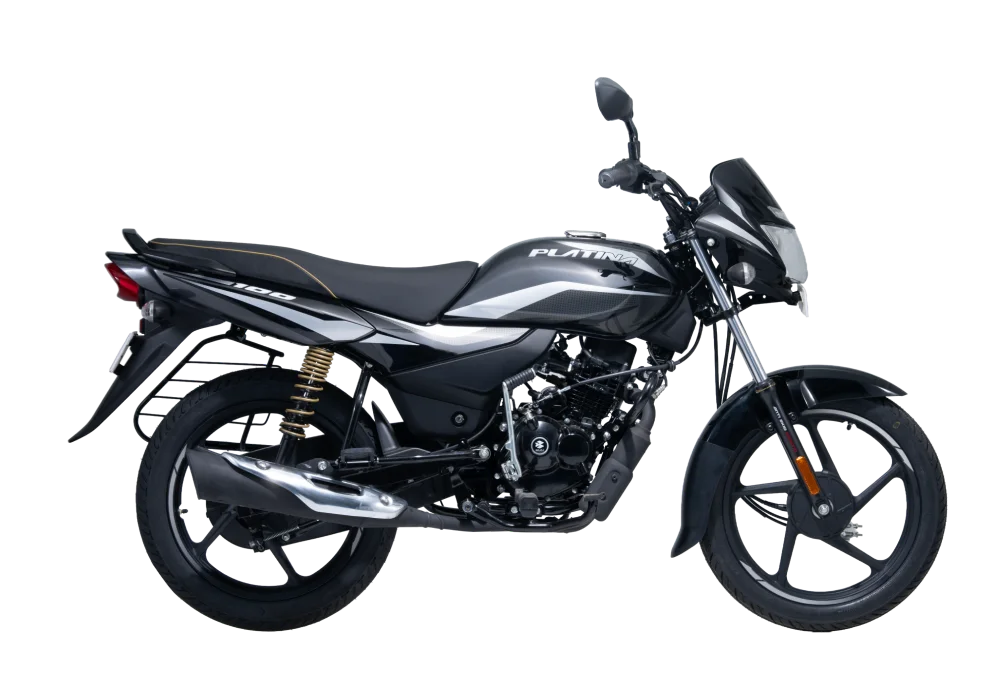
Bajaj Platina 110 HG
115.45 cc
70 kmpl
₹70,854
Commuter
3
Bajaj Pulsar 125
124.4 cc
50 kmpl
₹92,883
Sports
4
Bajaj Pulsar 150 Twin
149.5 cc
46 kmpl
₹1,15,418
Sports
5
Bajaj Pulsar NS200
199.5 cc
36 kmpl
₹1,58,976
Sports
6
Bajaj Dominar 400
373.3 cc
27 kmpl
₹2,32,000
Cruiser Tourer
Frequently Asked Questions — Bajaj Auto
Direct buyer analytics answering primary platform queries
Which is the most affordable Bajaj bike available in 2026?
▾
The primary baseline entry-level model is the Bajaj Platina 100, which carries a competitive starting factory ex-showroom baseline near ₹66,015. It functions as an ideal economic alternative valued for its Comfortec suspension linkage rigs and long saddle footprints.
What is the real-world fuel economy returned by Pulsar models?
▾
Fuel mapping metrics balance across structural displacements. Standard Pulsar 125 / 150 iterations manage a dependable city return spanning 45 to 52 kmpl. High-capacity single-cylinder platforms like the NS200 settle close to 35-38 kmpl based on throttle maps.