
Ather Rizta vs TVS iQube: Which Family EV Scooter Is Better?
India's two leading family-focused electric scooters go head-to-head. The Rizta brings class-leading seat comfort, massive 56L boot storage, and skid control, while the TVS iQube offers proven legacy reliability, multiple battery pack options, and accessible pricing.
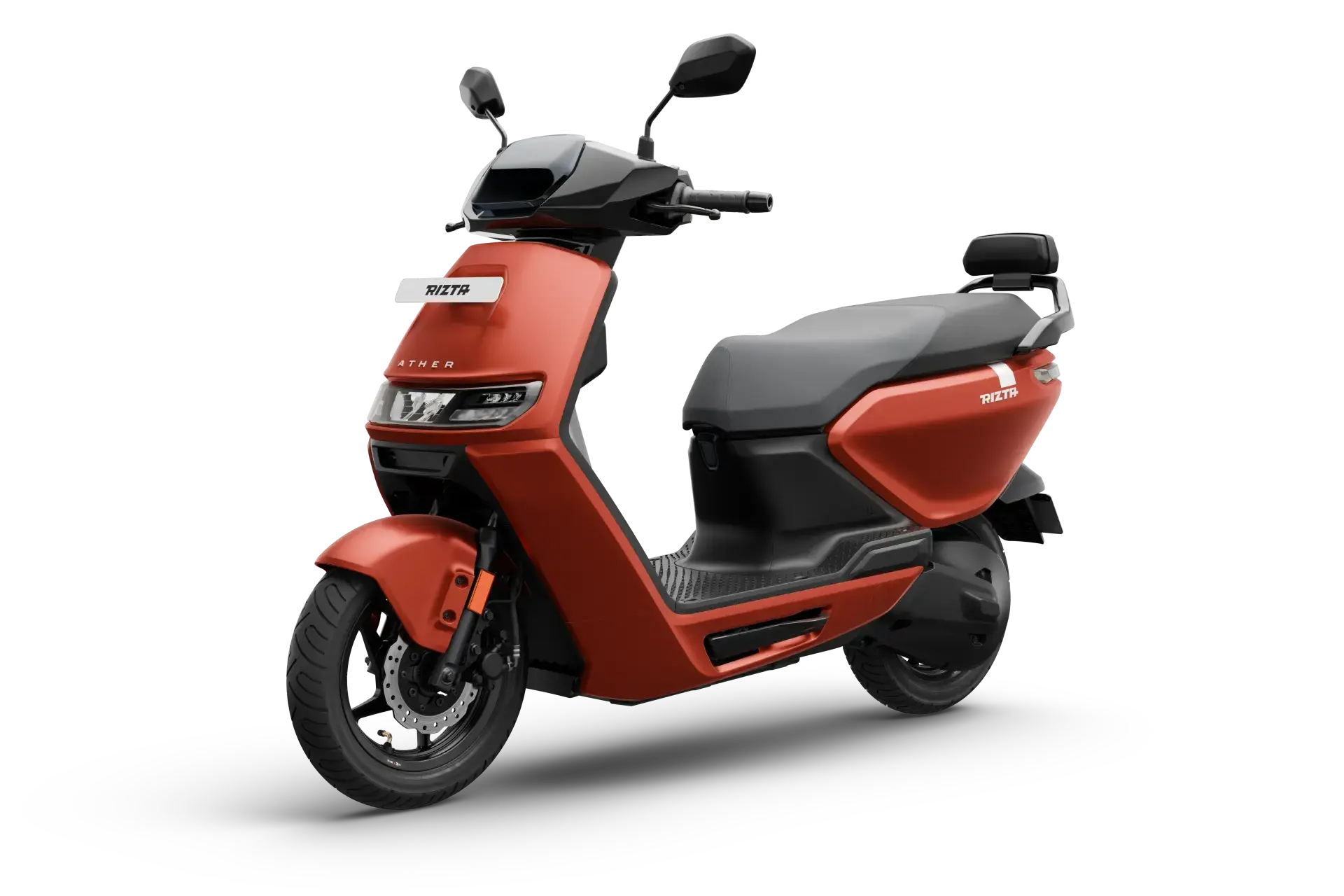
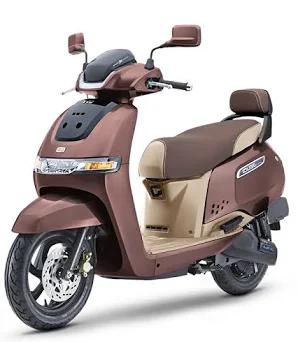
*Ex-showroom prices (indicative, after applicable subsidies).
Quick Verdict
- Ather Rizta wins on practicality and smart safety — it offers the longest seat in the segment, 56-litre combined storage (34L boot + 22L Frunk), SkidControl (traction control), and WhatsApp on the dashboard.
- TVS iQube wins on accessible entry pricing, widespread sales network, and flexible battery pack choices ranging from 2.2 kWh up to a massive 5.1 kWh on the ST variant.
- Pick the Ather Rizta if utility, pillion comfort, modern software features, and cavernous cargo space are your top priorities for daily family chores.
- Pick the TVS iQube if you want a reliable, traditional-feeling scooter backed by TVS's massive dealer presence at a lower starting cost.
Price Comparison
| Price Point | Ather Rizta | TVS iQube |
|---|---|---|
| Ex-showroom price (overall range) | ₹1,09,999 – ₹1,44,999 | ₹97,299 – ₹1,85,373 |
| Entry-level price | ₹1,09,999 (Rizta S 2.9 kWh) | ₹97,299 (iQube 2.2 kWh) LOWER |
| Top-end variant price | ₹1,44,999 (Rizta Z 3.7 kWh) | ₹1,85,373 (iQube ST 5.1 kWh) |
| Available Variants | 3 variants (S 2.9, Z 2.9, Z 3.7) | 5 variants (2.2 kWh, 3.4 kWh, S, ST 3.4, ST 5.1) |
Price comparison in short: The TVS iQube offers a much cheaper entry point with its 2.2 kWh base model, while Ather’s Rizta begins with a larger 2.9 kWh battery pack. On the higher end, the iQube ST goes all out with a huge 5.1 kWh battery at a premium price.
Check Ather Rizta details & price → | Check TVS iQube details & price →
Key Differences at a Glance
Full Specifications Comparison
| Specification | Ather Rizta | TVS iQube |
|---|---|---|
| Battery Capacity | 2.9 kWh / 3.7 kWh (IP67) | 2.2 kWh / 3.4 kWh / 5.1 kWh (IP67) MORE SIZES |
| Peak Motor Power | 4.3 kW (5.7 bhp) | 4.4 kW (5.9 bhp) WINNER |
| Max Torque | 22 Nm | 33 Nm (at wheel) / 140 Nm peak |
| Top Speed | 80 km/h | 75 to 82 km/h (varies by variant) |
| Certified Range (IDC) | 123 km (2.9 kWh) / 159 km (3.7 kWh) | 75 km (2.2) / 100 km (3.4) / 150 km (5.1) |
| Underseat Storage | 34 Litres (+ 22L Frunk = 56L) WINNER | 32 Litres (17L on 2.2 kWh) |
| Kerb Weight | 119 kg | 115 kg – 128 kg |
| Seat Height | 780 mm | 770 mm ACCESSIBLE |
| Ground Clearance | 165 mm WINNER | 157 mm |
| Water Wading Ability | 400 mm | Tested for water ingress (IP67) |
| Brakes (Front / Rear) | Disc / Drum (with CBS & SkidControl) | Disc / Drum (with CBS) |
| Tyre Size (F/R) | 90/90-12 & 100/80-12 (Tubeless) | 90/90-12 & 90/90-12 (Tubeless) |
Real-World Range & Battery Comparison
Ather provides its highly accurate 'TrueRange' estimates out of the box, offering 105 km real range on the 2.9 kWh pack and 125 km on the 3.7 kWh pack. The TVS iQube offers 75 km real range on the 2.2 kWh, 100 km on the 3.4 kWh, and reaches up to 140–145 km real range with its flagship 5.1 kWh battery pack.
Both scooters cost roughly ₹0.25 to ₹0.35 per kilometre to charge at standard domestic electricity rates (₹7–8 per unit), making both models over 80% cheaper to run on daily commutes than conventional petrol 110–125cc scooters.
Features & Tech Comparison
| Feature | Ather Rizta | TVS iQube |
|---|---|---|
| Traction Control / SkidControl | ✓ Yes (Segment-first) | ✕ No |
| Display Type | 7" 'DeepView' (S) / 7" TFT (Z) | 5" TFT / 7" Touch TFT (ST) |
| Navigation Integration | ✓ Google Maps built-in | ✓ Turn-by-Turn / Mapview (ST) |
| WhatsApp on Dashboard | ✓ Yes (via joystick preview) | ✕ No |
| Pillion Backrest | ✓ Standard on Z variant | Available as accessory |
| Reverse Park Assist | ✓ Yes (Auto-Reverse) | ✓ Yes (Q-Park Assist) |
| Hill Hold Assist | ✓ AutoHold™ | ✕ Not Available |
Colour & Variant Options
Offers both single-tone and premium dual-tone shade choices.
Available in sober, mature family-friendly finishes.
EMI Comparison
Indicative EMI calculated on average on-road pricing (including registration and insurance). Actual terms depend on financier and state subsidies.
Pros & Cons
- Industry-leading seat size with standard pillion backrest (Z variant)
- Massive practical storage: 34L boot + 22L front trunk accessory
- SkidControl traction management and AutoHold hill-assist
- Ather Grid fast charging network support
- Sleek, fluid Google Maps-integrated dashboard UI
- Higher starting price compared to entry-level iQube
- Frunk and smart accessory organizers cost extra
- Polarising, boxy rear-end styling
- Sub-₹1 lakh starting price point with the 2.2 kWh battery
- Massive TVS sales, dealership, and service presence across tier 2/3 cities
- Huge 5.1 kWh battery option available on top-tier ST variant
- Conventional, familiar commuter styling that appeals to all age groups
- Base 2.2 kWh variant gets reduced 17L storage space
- Lacks active safety features like traction control or hill-hold
- Top ST 5.1 kWh variant is considerably expensive
Who Should Buy Which Scooter?
Choose the Ather Rizta if — your priority is ultimate carrying capacity, the best passenger comfort in the segment, safety tech like traction control, and seamless Google Maps navigation with Ather fast-charging ecosystem perks.
Choose the TVS iQube if — you want an electric scooter with a low starting price point, prefer conventional styling backed by TVS's extensive service footprint, or want the longest range available on two wheels via the 5.1 kWh ST variant.
Frequently Asked Questions
Final Verdict
Both the Ather Rizta and TVS iQube represent the best of sensible, practical family electric mobility in India. The TVS iQube remains an exceptionally safe, reliable bet with an accessible price point and TVS's dependable dealer network. However, the Ather Rizta takes family utility a step further with segment-defining boot space, a king-sized seat, modern software perks, and segment-first traction control. If you want cutting-edge practicality and smart features, go for the Rizta; if you want conventional ease with a trusted legacy badge, the iQube will serve you just as well.